New Product Introduction
Transforming innovative products into stable serial production.
View Case Study →
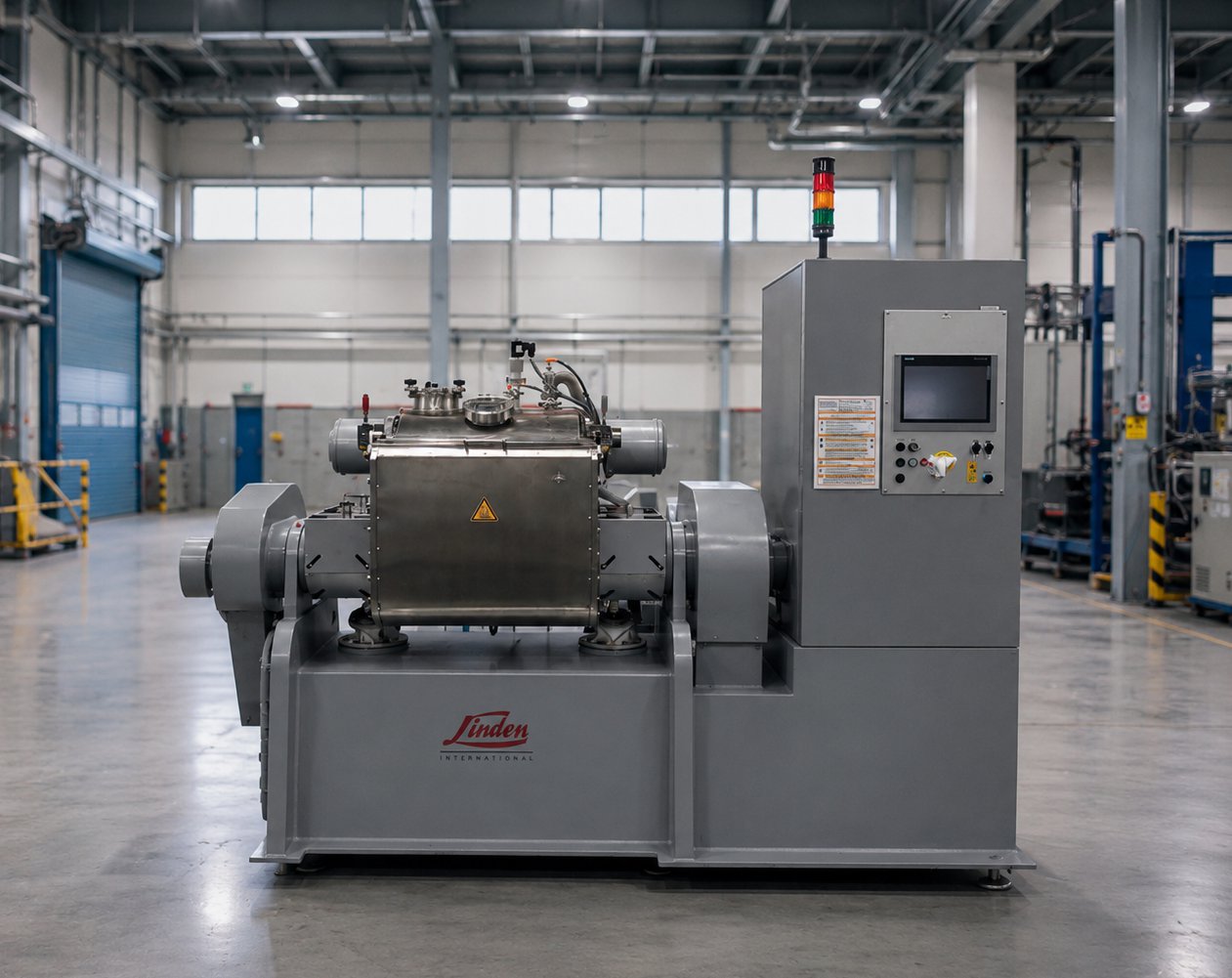
Technical specification and supplier coordination for a new double-Z (Sigma) kneading machine, developed in cooperation with Hermann Linden Maschinenfabrik, to mix cemented carbide powder and binder into a homogeneous mass for downstream extrusion.
Cemented Carbide Manufacturing
Powder Mixing & Kneading Equipment
Technical Specification & Supplier Coordination
Completed
Before extrusion, cemented carbide powder has to be combined with a soft binder into a homogeneous mass. To support the next stage of growth in this process, a new kneading machine was needed to raise throughput and further strengthen the batch-to-batch homogeneity that downstream pressing and sintering depend on.
The goal was a new machine that increased capacity and machine utilisation while measurably improving quality, reducing set-up and processing times, and meeting demanding machine capability requirements before a single production batch was accepted.
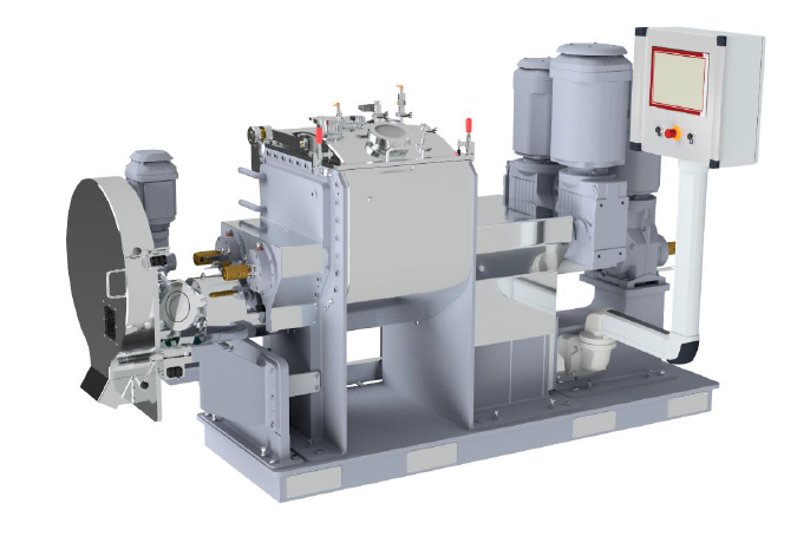
The specification covered every aspect of the mixing process, from the trough and blade geometry to process control and the qualification of machine capability.
Clear division of responsibilities between BS PM Solutions and Hermann Linden Maschinenfabrik.

The trough is fully sealed to mix without material loss, and a vacuum of 0.1 bar is held for 30 minutes to remove air inclusions from the mass. A double jacket around the trough allows heating and cooling, keeping the mass within its required temperature window throughout the process.
All wetted parts are made from corrosion-resistant V4A steel, and both the trough and the Sigma-shaped kneading blades carry a hard-material wear coating, keeping the blade-to-trough gap within its specified 2-3 mm tolerance over the long term.
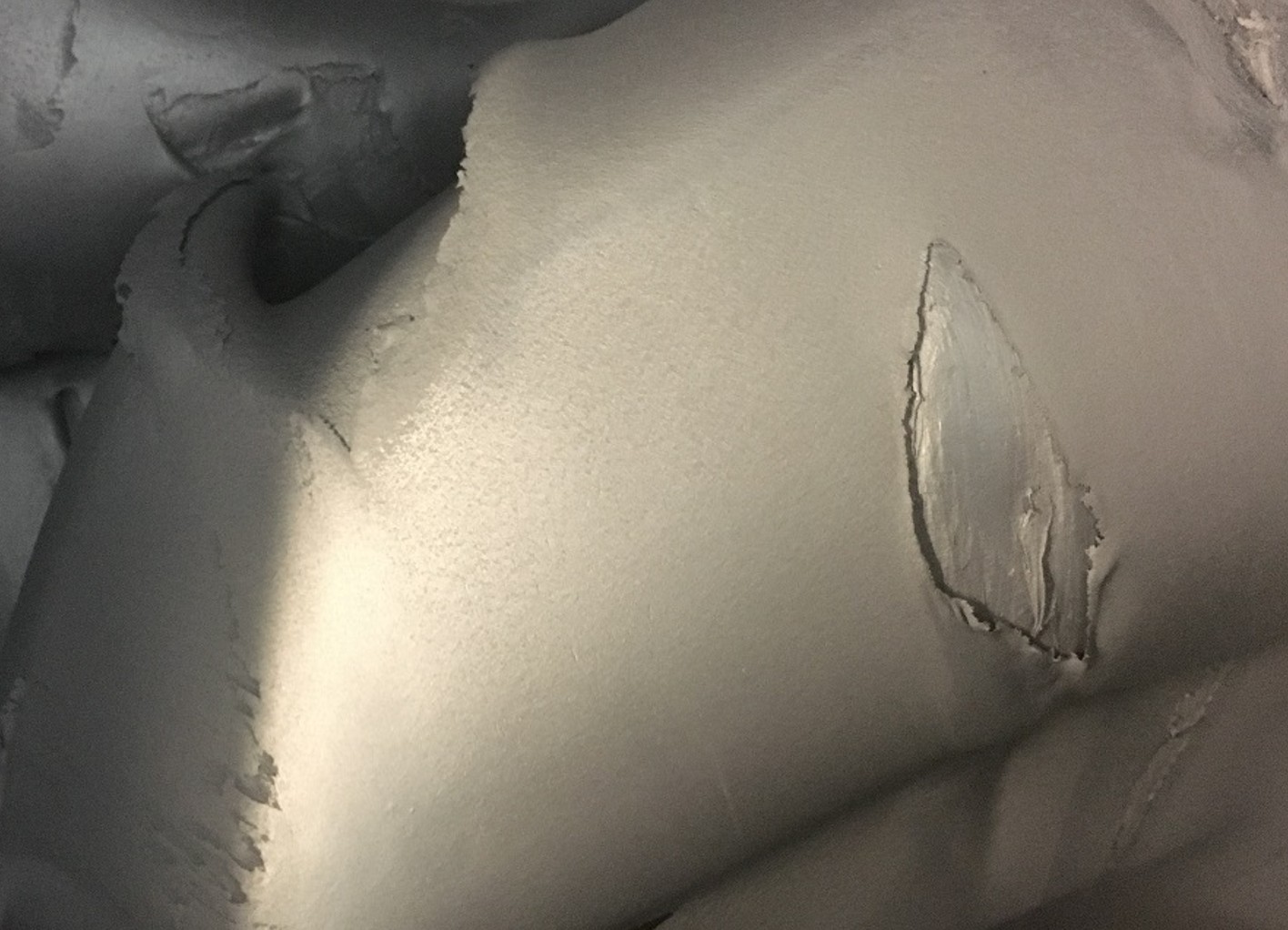
Rather than accepting the machine on paper, capability was verified on real production batches. Defined batch types were kneaded at the supplier's site under production-like conditions, then evaluated off-site through pressing and sintering trials to confirm the mass behaved exactly as required downstream.
Machine capability was only considered proven once the kneaded batches achieved Cm ≥ 2.0 and Cmk ≥ 1.67, giving both sides objective evidence of process reliability before the machine was released for delivery and final production acceptance.
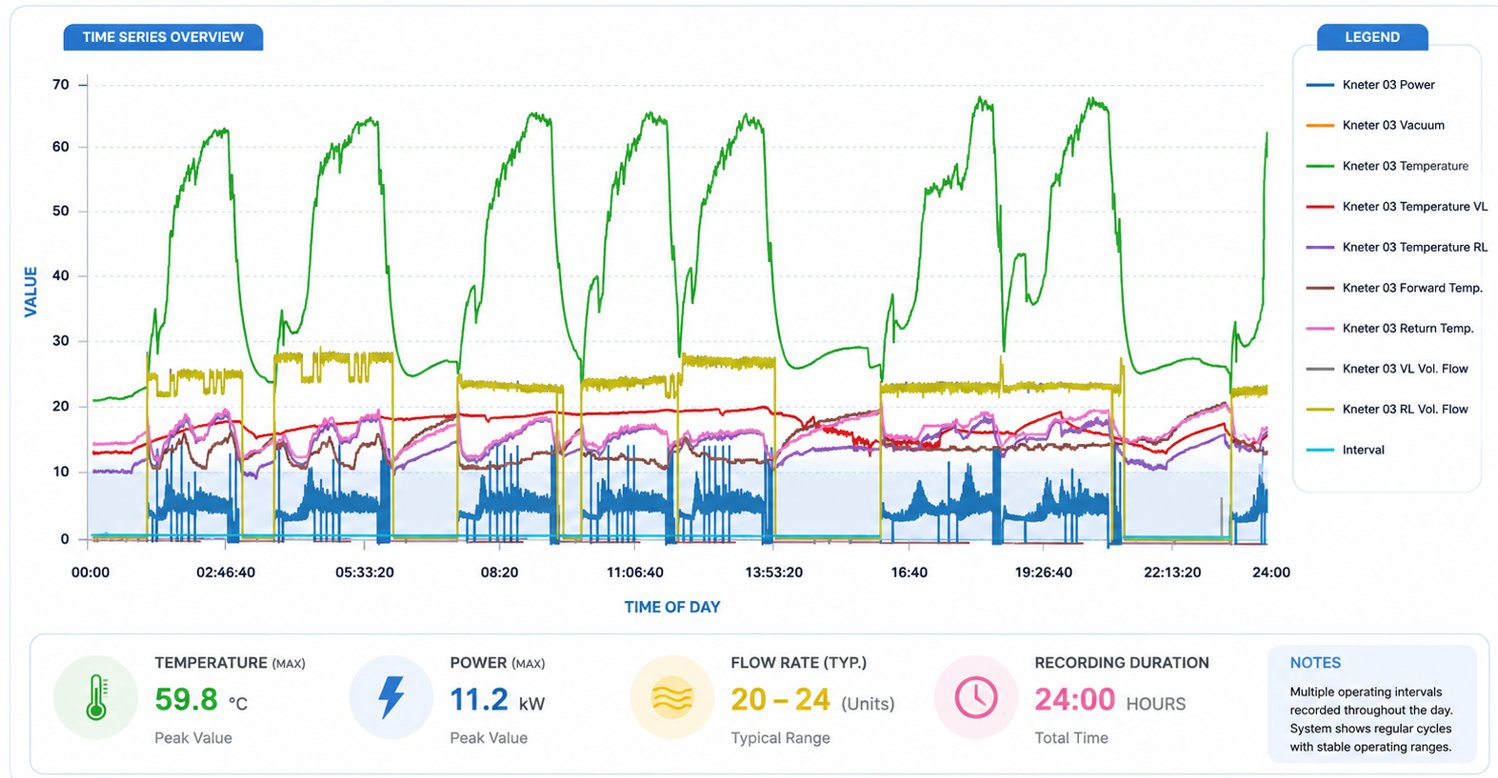
The completed machine met the specified capability and reliability requirements while fitting seamlessly into continuous 3-shift production.
This project demonstrates the successful specification and procurement of a new cemented carbide kneading machine, developed in close cooperation with Hermann Linden Maschinenfabrik.
By combining a detailed technical specification, a sealed vacuum-assisted process design and rigorous machine capability qualification, the project delivered a reliable, high-capacity foundation for consistent, homogeneous cemented carbide mass production ahead of extrusion.
Looking to specify or procure new process equipment? Let's get in touch →
Discover additional manufacturing and industrialisation projects.
Transforming innovative products into stable serial production.
View Case Study →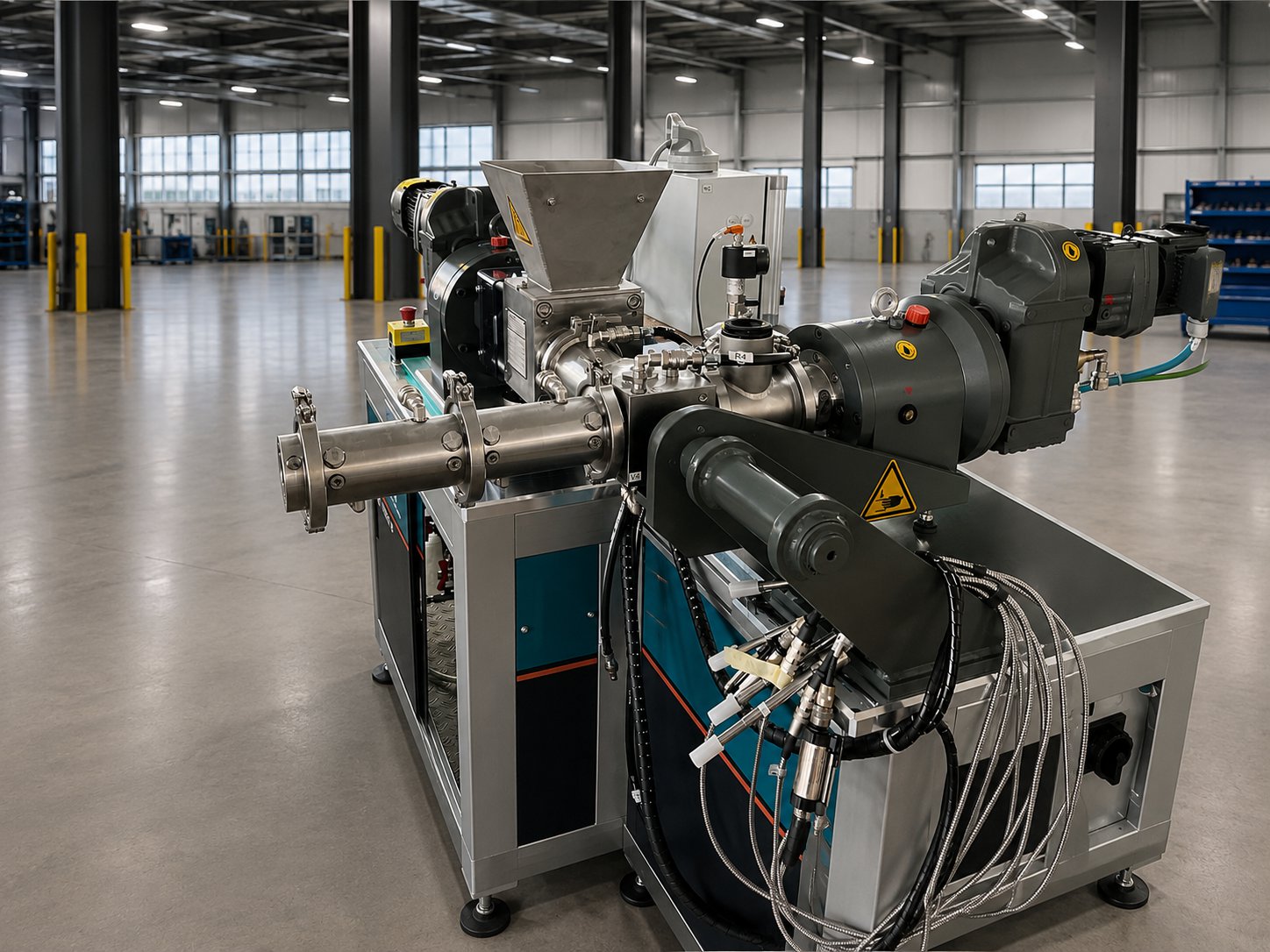
Selection and pre-series validation of a new micro-extrusion system, in cooperation with ECT-Kema GmbH.
View Case Study →